
Signs of Dirty or Contaminated Fuel
Signs of Dirty or Contaminated Fuel: What Every Driver Should Watch For
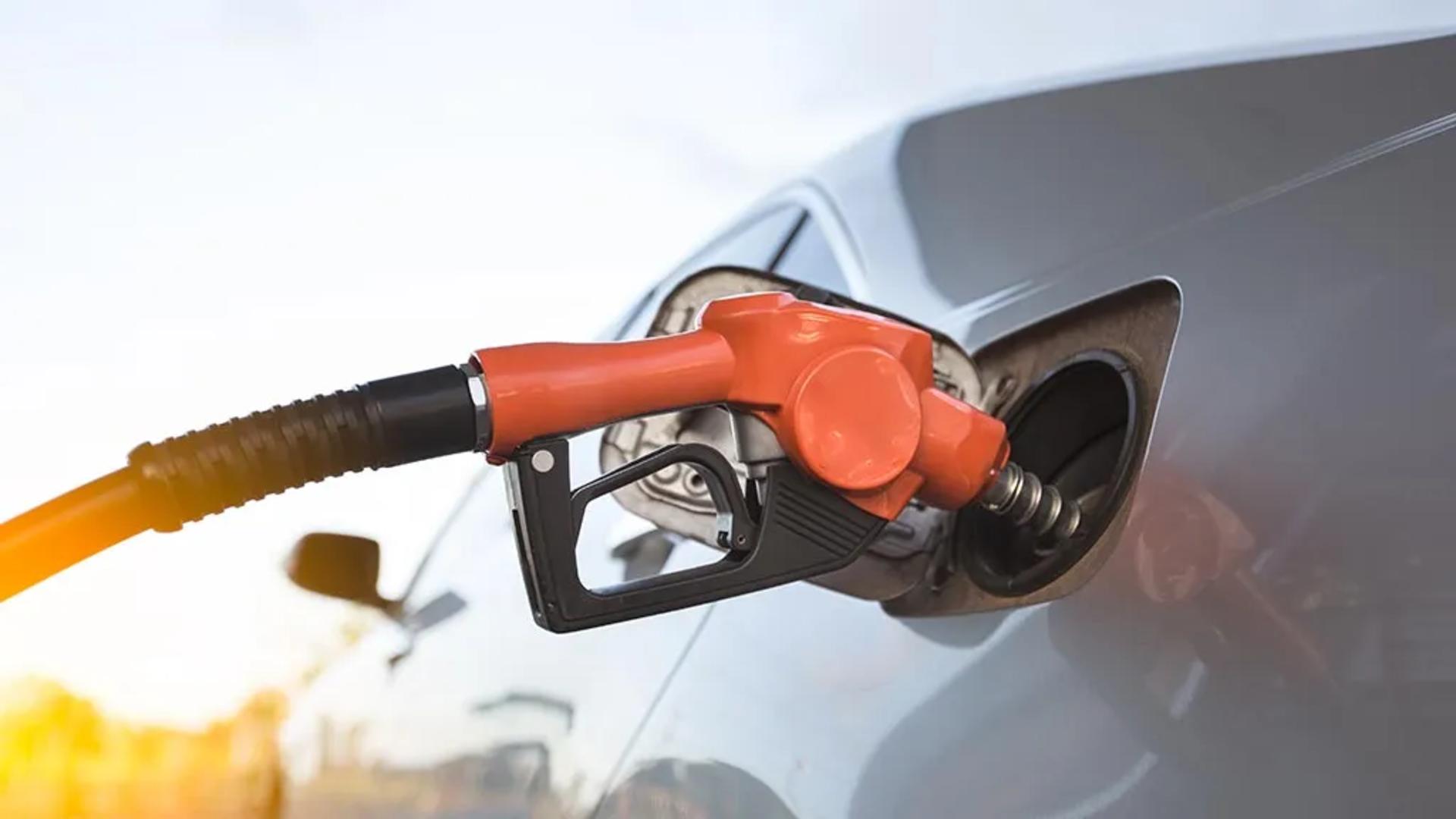
Fuel contamination is a hidden problem that many drivers don’t think about until it causes serious damage. While most people assume fuel from a service station is always clean, contaminated or “dirty” fuel can still occur due to water intrusion, debris, microbial growth, or poor fuel storage.
Industry reports and automotive service data show that contaminated fuel can lead to poor engine performance, expensive repairs, and even complete engine failure if left untreated. Knowing the warning signs early can save drivers thousands in repairs and help prevent long-term damage.
What Causes Dirty Fuel?
Fuel contamination can happen in several ways throughout the supply chain—from refinery to service station to your vehicle.
Common causes include:
- Water contamination from condensation, rainwater, or leaks in storage tanks
- Dirt, rust, or debris entering the fuel during transport or storage
- Microbial growth (often called “diesel bug”) caused by bacteria and fungi growing in fuel systems
- Fuel degradation over time, especially if fuel sits unused for long periods
Water is considered one of the most damaging contaminants because it disrupts the combustion process and can cause corrosion throughout the fuel system. (Bulk Fuel Australia)
1. Difficulty Starting Your Car
One of the earliest signs of contaminated fuel is trouble starting the engine. If the fuel quality has deteriorated or contains water, it may not burn efficiently, making it harder for the engine to ignite properly. (WA Refuelling)
Drivers may notice:
- Longer cranking before the engine starts
- The engine struggling to turn over
- The vehicle failing to start entirely
These problems often appear shortly after refuelling with contaminated fuel.
2. Rough Idling or Engine Misfires
If your engine suddenly begins running unevenly, it could be a sign that contaminants are interfering with combustion.
Dirty fuel can cause:
- Rough or unstable idling
- Engine misfires or “spluttering”
- Pinging or knocking noises
When contaminants disrupt the fuel-air mixture, the engine cannot burn fuel efficiently, leading to irregular operation. (NRMA)
3. Loss of Power or Poor Acceleration
Another common warning sign is a noticeable drop in performance.
Contaminated fuel can reduce combustion efficiency, which means your engine must work harder to produce the same amount of power. This may result in:
- Sluggish acceleration
- Reduced engine power
- Hesitation when pressing the accelerator
In severe cases, drivers may even experience stalling while driving. (ricochetfuel.com)
4. Excessive Exhaust Smoke
If you notice unusual smoke from the exhaust, contaminated fuel may be the cause.
Poor combustion caused by dirty fuel can produce:
- Black smoke (unburnt fuel)
- White smoke (possible water contamination)
- Blue smoke (fuel or oil burning improperly)
These signs indicate that the fuel is not being properly atomised or burned in the engine. (WA Refuelling)
5. Clogged Fuel Filters
Fuel filters are designed to trap contaminants before they reach the engine. However, if the fuel is heavily contaminated, the filter may clog quickly.
Signs of a clogged filter include:
- Frequent filter replacements
- Reduced fuel flow to the engine
- Engine hesitation or stalling
If this happens repeatedly, the root cause may be contaminated fuel entering the system. (ricochetfuel.com)
Why Acting Early Matters
Fuel contamination can escalate quickly. Industry reports show that issues like water contamination, debris, or microbial growth can damage sensitive components such as fuel injectors, pumps, and filters. (ricochetfuel.com)
Modern vehicles rely on highly precise fuel systems, meaning even small amounts of contamination can lead to major mechanical issues and costly repairs.
What To Do If You Suspect Dirty Fuel
If your vehicle shows any of these symptoms shortly after refuelling, it’s important to act quickly.
Recommended steps include:
- Avoid driving the vehicle further if performance is severely affected
- Have the fuel system inspected by a professional mechanic
- Replace contaminated fuel and clogged filters
- Check injectors and fuel pumps for damage
A professional inspection can determine whether the issue is fuel contamination or another mechanical fault.
Local Help on the Gold Coast
If you suspect contaminated or dirty fuel is affecting your vehicle, professional diagnostics are essential. A trusted workshop such as Midas Tyre & Auto Service Labrador can inspect your fuel system, identify contamination, and carry out the necessary repairs or cleaning to prevent further damage.
Experienced technicians can:
- Test fuel quality
- Replace blocked fuel filters
- Clean fuel systems
- Diagnose injector or pump damage
Early detection can mean the difference between a simple fuel system flush and a costly engine repair.
Final Thoughts
Fuel contamination is more common than many drivers realise, and the symptoms can often be mistaken for general mechanical issues. Recognising the early warning signs—such as rough idling, difficulty starting, and loss of power—can help drivers act quickly and avoid major damage.
By staying informed and seeking professional servicing when problems appear, drivers can keep their vehicles running reliably and avoid the hidden dangers of dirty fuel.
For more car advice, maintenance tips, and industry insights, keep up with the latest articles from The Car Place.
